dejar un mensaje
Si está interesado en nuestros productos y desea obtener más información, deje un mensaje aquí y le responderemos lo antes posible.
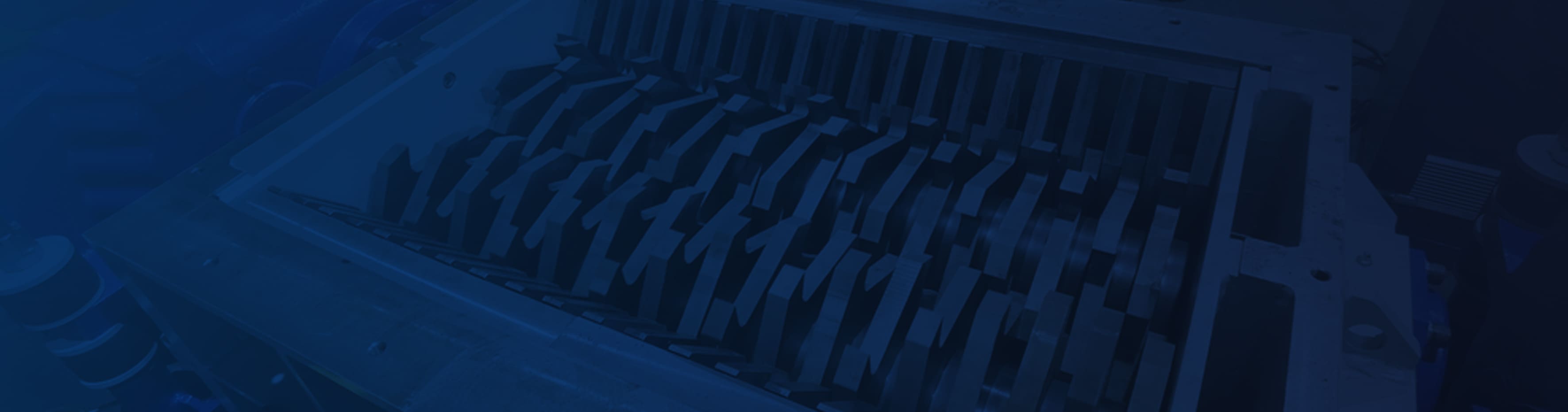
En el mundo del reciclaje industrial, la geometría de un cuchilla trituradora de doble eje No se trata solo de una decisión de diseño, sino del factor principal que determina el rendimiento y el tamaño del material. La interacción entre los ganchos giratorios y los espaciadores genera la cizalladura mecánica necesaria para triturar sólidos resistentes.
1. El número de ganchos
La variación más visible es el número de "dientes" o ganchos en un solo disco.
Cuchillas de un solo gancho: Cuentan con un diente grande y agresivo. Están diseñadas para la reducción de volumen de objetos voluminosos como neumáticos o muebles grandes. Proporcionan una gran fuerza de agarre, pero el resultado es un material muy grueso e irregular.
Cuchillas multigancho (3, 5 o más): A medida que aumenta el número de ganchos, la trituradora produce partículas más pequeñas y uniformes. Son ideales para procesar plásticos o residuos electrónicos (RAEE) donde se requiere un tamaño de material uniforme para su posterior clasificación.
2. Grosor y perfil de la hoja
El ancho de la cuchilla se correlaciona directamente con el ancho de las tiras trituradas.
Cuchillas estrechas: Producen tiras delgadas, lo que aumenta la superficie total del material procesado, algo vital para el reciclaje químico o la incineración.
Ángulo de gancho: Un ángulo de gancho más agudo y pronunciado mejora la "agarre" en materiales resbaladizos como las tuberías de HDPE, mientras que un ángulo más redondeado ofrece una mayor integridad estructural para triturar materiales frágiles como el vidrio o el aluminio fundido.
Resumen
Elegir la forma adecuada implica un equilibrio entre agresividad y precisión. Si bien una cuchilla de un solo gancho es excelente para triturar un neumático, se necesita una configuración de múltiples ganchos para convertirlo en virutas de caucho manejables. Adaptar el perfil de la cuchilla a las propiedades físicas específicas de los residuos es la única manera de maximizar la eficiencia y minimizar el consumo de energía.





 Red IPv6 compatible
dejar un mensaje
Escanear a WeChat :

Escanear a WhatsApp :